Locating a Sewer Line Before a Liner Replacement
Slow drains. Gurgling sounds. Maybe a faint odor you can't quite place. These are the kinds of signs that something is going on underground - and ignoring them usually means a bigger, more expensive problem down the road.
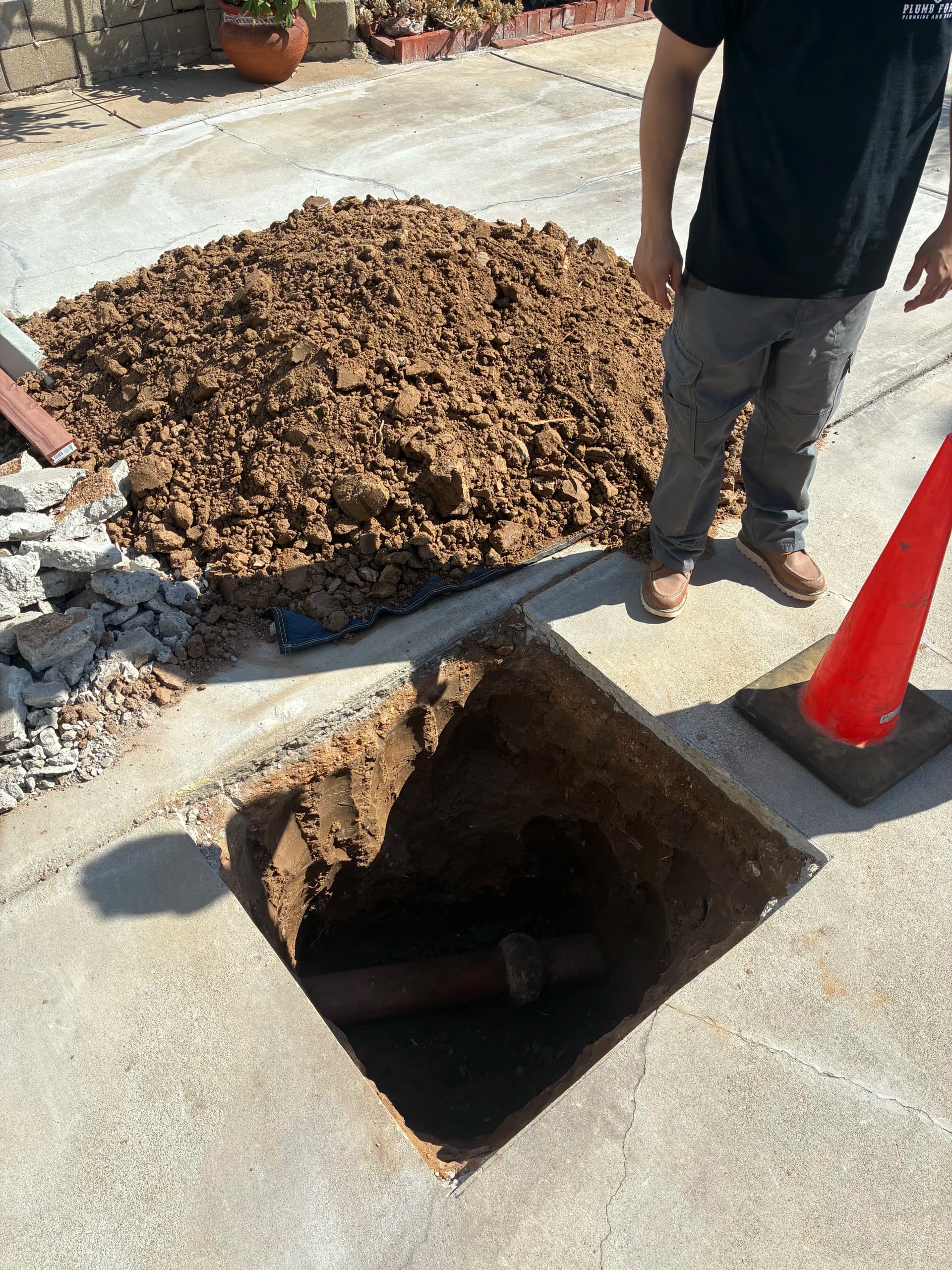
This job started with locating the sewer line so we could properly prep for a liner replacement. Before any liner work can happen, we need to know exactly where the pipe is running and what condition it's in. That means getting into the ground, getting eyes on the pipe, and making sure we have a clear picture of what we're working with.
The goal with a liner replacement is to restore the pipe from the inside - essentially creating a new pipe within the old one. It's a method that causes far less disruption than a full dig-and-replace, and it's a solid long-term fix when the pipe structure is still mostly intact. But none of that works if you skip the prep. Knowing the exact location of the line is step one.
We take this part of the process seriously. Rushing past the locating phase is how mistakes happen - wrong cuts, missed access points, or worse, damage to surrounding utilities. We'd rather do it right the first time.
If your drains have been acting up or you've got a sewer issue that's been on your radar, don't wait for it to turn into an emergency. Getting ahead of it now is almost always cheaper and less disruptive than dealing with a full failure later.